A Mud-Free School Play Space In Milton Keynes Using Synthetic Turf
17 Nov 2026 10:11

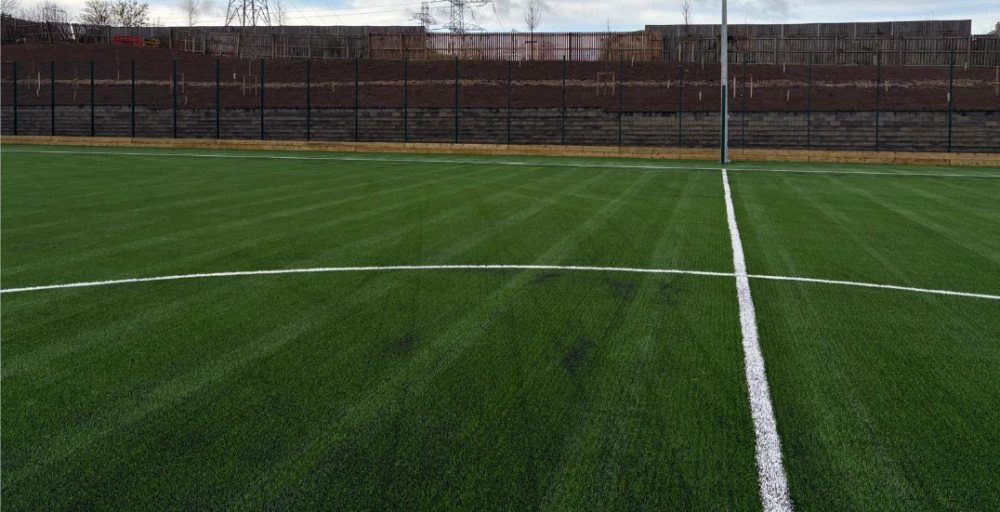
For this illustrative football pitch refurbishment in Worcester, the challenge was not simply to replace a worn playing surface. The existing pitch had developed persistent drainage problems, and the client wanted to address the underlying issues before investing in a new artificial grass system.
At Football Pitch Construction, our proposed approach combined drainage improvements, repairs to the existing pitch foundation and the installation of a new 3G artificial turf surface.
The objective was to provide a more reliable football facility that could accommodate regular training sessions and competitive fixtures throughout the year.
The football pitch had been in use for several years and was beginning to show significant signs of deterioration.
The artificial grass fibres had become flattened in heavily used areas, while the infill distribution was inconsistent across the playing surface.
More importantly, sections of the pitch were retaining water after rainfall.
During our first discussion, the facility manager explained that the pitch was increasingly difficult to maintain and that wet conditions sometimes disrupted scheduled sessions.
They initially asked whether replacing the artificial grass carpet would solve the problem.
We explained that resurfacing alone would not necessarily address standing water if the drainage system or underlying construction was responsible.
Before recommending a replacement surface, we needed to investigate the existing drainage infrastructure and establish whether the foundation remained suitable for reuse.
The proposed assessment began with inspecting the existing artificial turf, drainage outlets and accessible sections of the pitch perimeter.
We looked for signs of blocked drainage channels, poor water movement and localised depressions in the playing surface.
The investigation also included checking the condition and levels of the existing base.
For this illustrative project, the main issues were associated with restricted drainage outlets and several areas where the supporting construction required localised attention.
The client was concerned that improving the drainage might mean excavating the entire pitch.
We explained that complete reconstruction would only be necessary if the underlying system was no longer suitable.
Where the existing foundation could be retained, targeted drainage repairs and localised reconstruction could offer a more practical solution.
After discussing the findings, the client agreed to proceed with a refurbishment programme that addressed the drainage problems before the new turf was installed.
The first major construction activity involved removing the existing synthetic turf carpet.
The infill material would be extracted using specialist equipment, with the recovered materials assessed for appropriate reuse, recycling or disposal.
Once the carpet had been lifted, the underlying shockpad and supporting construction could be inspected more thoroughly.
This stage was particularly important because it allowed us to identify defects that had not been visible during the initial surface assessment.
The existing shockpad would only be retained if its condition and compatibility with the replacement turf system were confirmed.
Any damaged or unsuitable sections would need to be replaced before installation continued.
With the old surface removed, attention turned to the drainage system.
The proposed works included clearing restricted outlets, checking the performance of the existing drainage network and completing localised repairs where required.
Areas of the foundation affected by settlement would be corrected to restore suitable levels.
We also checked that water could move through the proposed turf system and supporting layers towards the drainage infrastructure.
The client asked whether these improvements would prevent the pitch from ever becoming waterlogged again.
We explained that a properly designed and maintained drainage system can significantly improve water management, but no outdoor pitch can be guaranteed to remain playable in every weather condition.
The aim was to address the known restrictions and restore drainage performance appropriate to the facility's intended use.
Once the drainage repairs and foundation preparation were complete, we could begin installing the replacement artificial grass system.
The proposed specification incorporated a long-pile 3G synthetic turf carpet with a compatible performance infill system.
The turf rolls would be positioned carefully, with specialist jointing materials used to create secure seams.
Football line markings would be incorporated into the surface to provide a clear and consistent playing layout.
Following installation, the specified infill materials would be distributed across the carpet and brushed into the fibres.
Correct infill levels are important because they contribute to the performance and maintenance requirements of a 3G football pitch.
The completed surface would then undergo the appropriate inspections and, where required, performance testing for the intended level of football.
The illustrative Worcester project was scheduled over approximately five weeks.
The first week involved removing the existing turf and extracting the infill materials.
During the second week, the drainage network would be inspected, cleared and repaired where necessary.
The third week focused on foundation corrections and preparing the surface for the replacement turf system.
The new 3G carpet would then be installed during the fourth week, with infill placement, brushing and finishing works continuing into the final week.
The programme was planned to avoid unnecessary disruption to the facility's regular football calendar.
Although the works were not affected by a major weather delay, the installation team still needed to monitor conditions during foundation repairs and turf jointing.
A five-week period can be realistic for a substantial resurfacing project with targeted drainage improvements, provided the existing foundation is largely suitable for retention.
More extensive drainage reconstruction or unforeseen structural defects would increase the required construction time.
The final stage involved checking the new playing surface and reviewing maintenance requirements with the facility manager.
We would explain the importance of regular brushing, infill monitoring, debris removal and periodic inspections.
The drainage outlets would also need to remain clear to maintain the improvements made during the refurbishment.
For the client, the main objective was to restore confidence in the football facility.
By addressing both the worn artificial grass and the drainage problems beneath it, the proposed works would provide a more comprehensive solution than simply replacing the visible playing surface.
At Football Pitch Construction, we understand that an ageing artificial football pitch may require more than a replacement carpet.
From drainage repairs and foundation improvements to complete 3G pitch resurfacing, the correct approach depends on the condition of the existing facility.
If you're considering football pitch resurfacing in Worcester or elsewhere across the UK, complete our online enquiry form to discuss your requirements and request a free, no-obligation quotation.